What if the way we give is part of the problem?
Why IFFE Foundation treats emergency help as the start of a pathway, and measures generosity by whether families can eventually move forward without us.
22 October 2026
Giving is usually an expression of compassion. We see a family without food, a child out of school or a community facing hardship, and our instinct is to provide immediate help. At times of crisis, that response is necessary and can even save lives.
But we must also ask a difficult question:
What if the kind of giving we practise is one of the reasons lasting change is not happening?
What if assistance solves today’s emergency but leaves the underlying problem untouched? What if people repeatedly receive support but never gain the resources, skills or opportunities needed to move forward independently? In some cases, poorly designed aid can unintentionally weaken local initiative, create dependency or leave a community more vulnerable when the assistance ends.
At IFFE Foundation, we believe generosity should do more than relieve suffering for a moment. It should help people build safer, stronger and more independent lives.
We do not stop caring, but we change how we care
This does not mean that emergency assistance is wrong. A hungry family needs food. A sick person needs treatment. A child in immediate danger needs protection. Responsible organisations must respond when lives and safety are at risk.
However, emergency assistance should become the beginning of a pathway, not the entire programme.
After responding to the immediate need, we ask deeper questions:
- Why is this family repeatedly facing the same crisis?
- What strengths and resources already exist within the household?
- What barriers prevent the children from remaining in school?
- What income, savings or skills would help the caregivers become more secure?
- Which schools, health facilities, legal providers or public services should be involved?
- What can the family and community lead for themselves?
These questions move us from temporary relief towards lasting change.
We stop just giving and start building
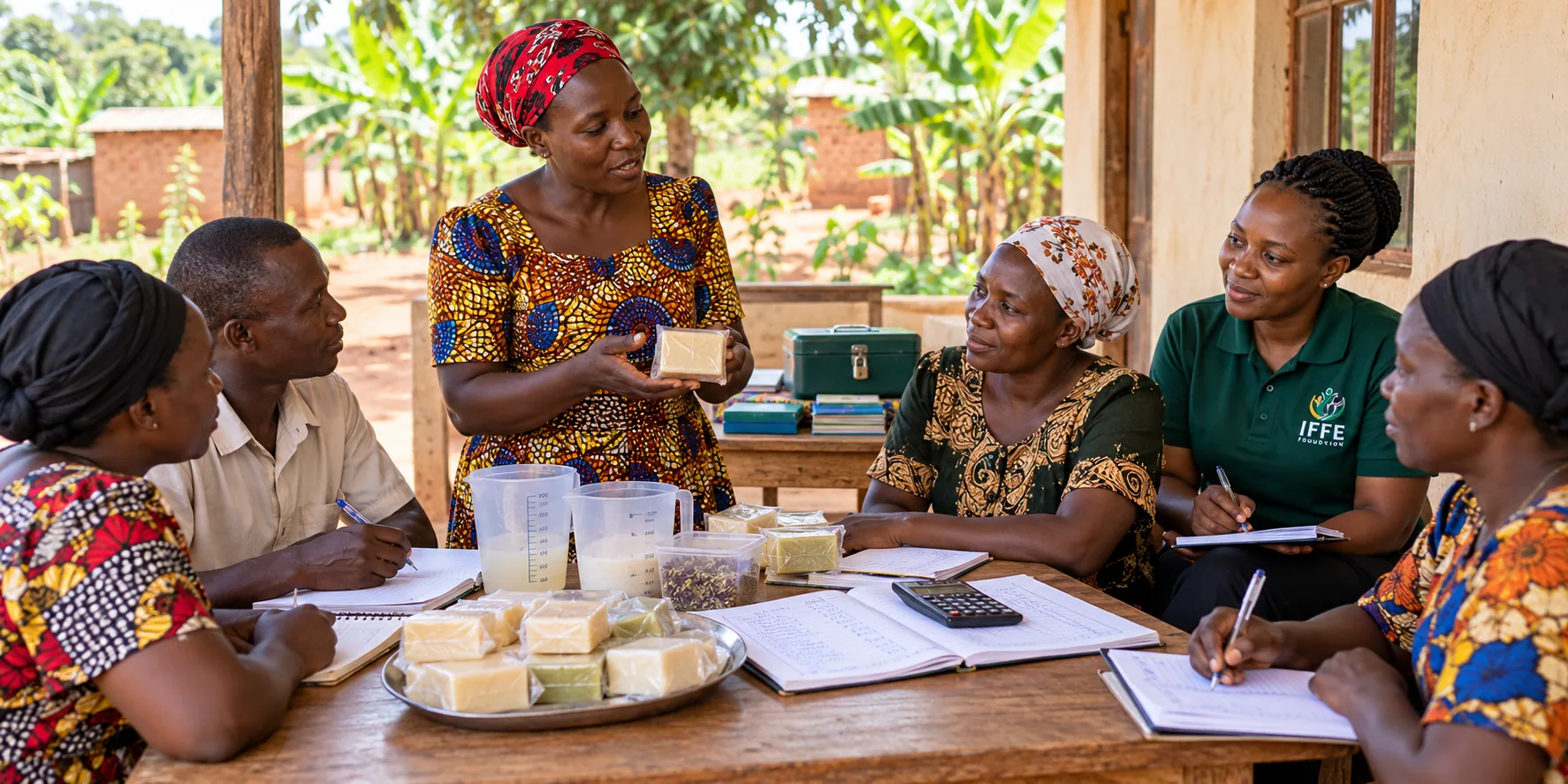
Giving someone food may carry a household through the week. Helping that household establish a sustainable livelihood, join a savings group, strengthen its financial skills and connect to reliable services can change its future.
 [Placeholder image: replace before launch]
Paying a child’s school fees may solve one immediate problem. Supporting attendance, learning, wellbeing, family stability and the transition into further education or vocational training gives that child a stronger chance of completing school and building an independent life.
Funding a health activity is valuable. Strengthening preventive health knowledge, referral systems and access to trusted health providers can protect entire families long after an outreach event has ended.
IFFE therefore seeks to build:
- Capable and economically secure households
- Safe and nurturing family environments
- Stronger educational pathways
- Reliable community referral networks
- Practical skills and livelihood opportunities
- Local systems that continue working beyond a single donation
We move beyond rescue and equip people
The language of “rescue” can make communities appear powerless and outsiders appear to have all the answers. Yet the people we work alongside are not empty vessels waiting to be saved. They have knowledge, relationships, abilities, ideas and ambitions of their own.
Our responsibility is not to take control of their lives. It is to listen, protect where necessary, remove barriers and help people strengthen their capacity to make informed decisions.
For children, this means placing their safety and dignity first. Wherever it is safe and appropriate, IFFE’s priority is to help children remain within their families or extended-family networks. Residential care should never become the automatic response to poverty. A struggling parent or relative may need practical support, not separation from the child they love.
Real support equips families to care, protect, earn, save, plan and progress.
We replace dependency with ownership
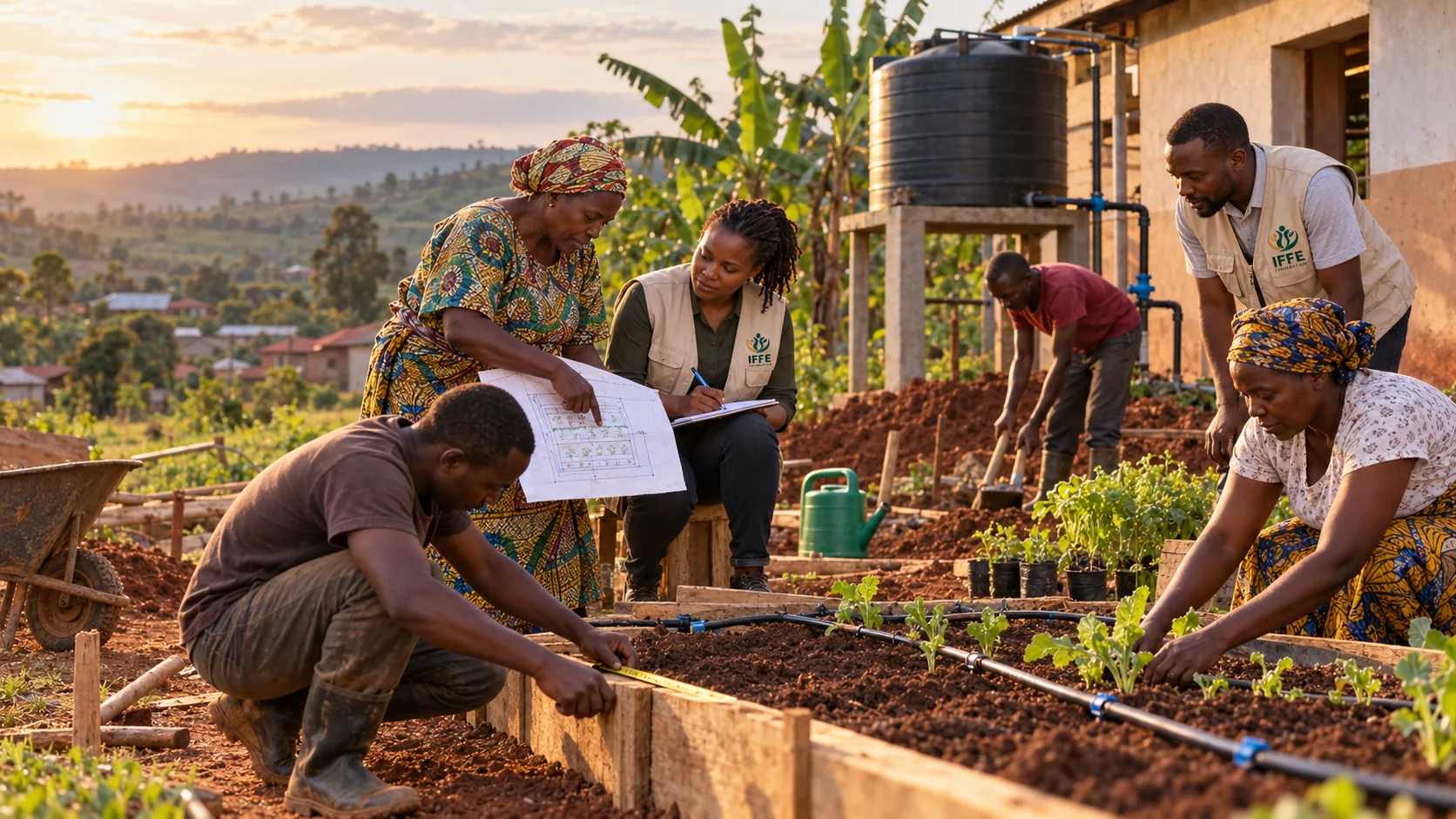
Projects are more likely to last when communities participate in designing, implementing and evaluating them. People protect what they help to build.
 [Placeholder image: replace before launch]
That is why IFFE aims to work with communities rather than simply delivering services to them. Families should help identify priorities. Caregivers should contribute ideas and effort. Local professionals should form part of referral systems. Community leaders should understand the programme. Participants should be able to question decisions and hold the organisation accountable.
Ownership also means recognising that communities should not remain permanently dependent on IFFE. Success is not measured by how long people continue receiving assistance. It is measured by whether families become safer, stronger and increasingly able to shape their own futures.
A different measure of generosity
The value of giving should not be measured only by how much was distributed, how many photographs were taken or how many people attended an event.
We should also ask:
- Did children remain safely in school and within supportive families?
- Did caregivers improve their income, savings and financial resilience?
- Were people connected to reliable health, legal and public services?
- Did families gain practical knowledge and decision-making power?
- Did the community become better able to continue the work itself?
- Did our intervention preserve dignity and strengthen local leadership?
These are harder outcomes to achieve, but they are the outcomes that matter.
Building with communities
At IFFE Foundation, our commitment is simple:
We will not stop at giving when we can help build.We will not glorify rescue when we can equip.We will not encourage dependency when we can create ownership.
We want every contribution entrusted to IFFE Foundation to become more than temporary relief. We want it to strengthen families, expand opportunity, protect children and support communities in building solutions that can endure.
Because the best form of giving is not the one that makes people need us forever.
It is the one that helps people discover their strength, exercise their choices and eventually move forward without us.