Education Without Barriers
IFFE Foundation supports children and young people throughout their educational journey, from early childhood education to primary and secondary school, vocational training, college and university.
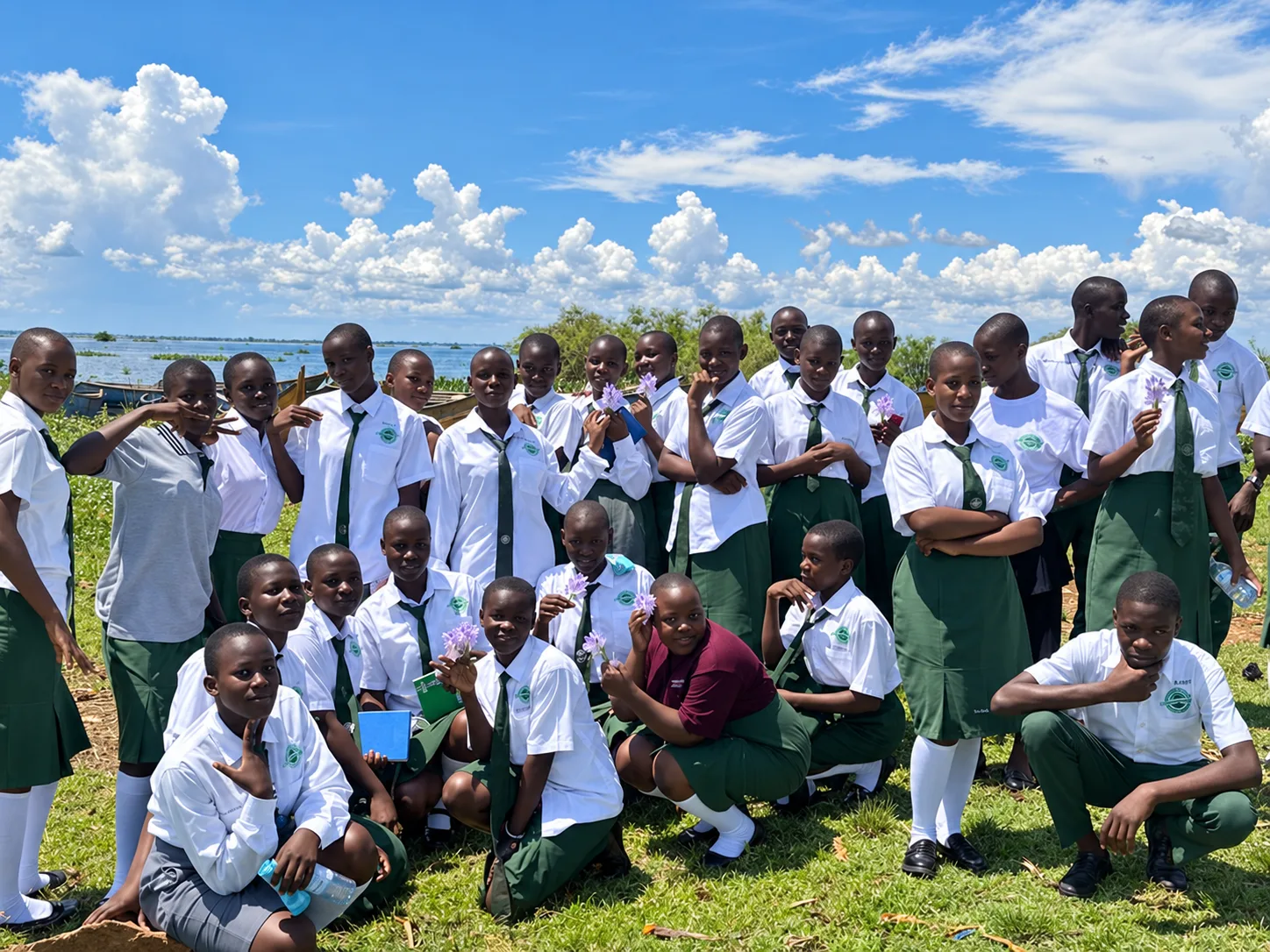
Supporting learners from early childhood to university
Every learner deserves the opportunity to receive a meaningful education, develop their abilities and build a dignified, independent future.
IFFE Foundation supports children and young people throughout their educational journey, from early childhood education and school readiness to primary and secondary school, vocational training, college and university.
Our programme assists learners whose education is threatened by financial hardship, family instability or other difficult circumstances. Support is delivered through partner schools, recognised training institutions, universities and other approved education providers.
The programme began under Mpango Foundation, IFFE’s former identity, and continues under IFFE Foundation as part of our broader commitment to strengthening children, families and communities.
Why education matters
Education is one of the strongest foundations for overcoming poverty and creating lasting opportunity. It equips children and young people with knowledge, practical skills, confidence and the ability to make informed decisions about their lives.
However, many families face difficult choices when they cannot afford school fees, uniforms, scholastic materials, transport or other education costs. Missing a single term can cause a learner to fall behind, lose confidence or leave school permanently.
Girls, children with disabilities, orphans, children living with elderly caregivers and learners from households affected by illness or economic hardship may face even greater barriers.
IFFE works to remove these barriers while strengthening the family and community structures surrounding each learner.
Our approach
IFFE does not consider payment of school fees to be the end of educational support.
A learner may have fees paid but still struggle because of missing school materials, poor health, family responsibilities, an unsafe home environment or limited emotional and academic support.
Our approach therefore combines educational assistance with:
- Individual assessment.
- Family strengthening.
- School and institution partnerships.
- Safeguarding and wellbeing support.
- Attendance and progress monitoring.
- Mentorship and career guidance.
- Transition planning.
- Practical and experiential learning.
This approach helps learners enter education, remain enrolled, participate meaningfully and progress towards completing their chosen educational pathway.
The education pathway
Early childhood development
IFFE recognises that a child’s earliest years influence future learning, health and development.
Our early childhood support may include:
- Access to approved early childhood education centres.
- School-readiness activities.
- Basic learning materials.
- Nutrition and health referrals.
- Parenting and caregiver guidance.
- Support for children experiencing developmental or social challenges.
The aim is to help young children begin primary education healthy, confident and prepared to learn.
Primary education
At primary-school level, IFFE supports children at risk of irregular attendance or dropping out because of family hardship.
Support may include:
- Full or partial payment of approved school fees.
- Uniforms and footwear.
- Books, stationery and learning materials.
- Examination requirements.
- Family follow-up.
- Attendance monitoring.
- Referrals for health, disability or child-protection support.
Secondary education
Secondary education gives young people the academic, personal and practical foundation needed to enter adulthood with greater opportunity.
IFFE provides bursaries and other forms of assistance to selected students through partner schools. Support may include full school fees, essential requirements, family engagement, academic monitoring, mentorship and educational field activities.
Greenfields High School in Iganga is one of the institutions through which IFFE currently provides secondary-school support.
Vocational and technical skills
University is not the only pathway to a successful future.
IFFE supports eligible young people to pursue recognised vocational and technical training in fields that can lead to employment, enterprise and community development.
These may include:
- Agriculture and agribusiness.
- Building and construction.
- Electrical installation.
- Plumbing.
- Motor-vehicle mechanics.
- Tailoring and fashion.
- Hairdressing and beauty.
- Hospitality and catering.
- Information and communication technology.
- Renewable energy.
- Waste management and recycling.
- Other locally relevant trades.
Where possible, training support will be linked to mentorship, practical experience, entrepreneurship and employment pathways.
College and university education
For eligible students who qualify for higher education but cannot afford the full cost, IFFE may provide tuition assistance and other approved academic support.
Assistance may include:
- Full or partial tuition.
- Registration and examination fees.
- Essential books and learning materials.
- Approved accommodation or transport support.
- Digital-learning requirements.
- Career mentorship.
- Internship and transition support.
Support will depend on documented need, academic eligibility, available funding and the learner’s approved education plan.
School bursaries
IFFE operates a pooled bursary fund through which individuals, organisations and funding partners can contribute towards the education of assessed learners.
Bursaries may cover:
- Full or partial school fees.
- Uniforms and footwear.
- Books, stationery and scholastic materials.
- Approved examination costs.
- Essential academic requirements.
- Family and student follow-up.
- Career guidance and transition planning.
Education fees are paid directly to the approved institution. Financial assistance is not issued to families as unrestricted cash.
Current partnership with Greenfields High School
Greenfields High School in Iganga is a current education partner within IFFE’s secondary-school bursary programme.
Through the partnership, IFFE pays full school fees for selected students from financially vulnerable families and provides the essential requirements they need to attend school, participate fully and progress academically.
IFFE also works with the students’ families and the school to identify and address barriers affecting attendance, learning, protection or wellbeing.
The Greenfields bursary initiative began under Mpango Foundation and continues under IFFE Foundation. As resources grow, IFFE intends to expand its network of approved education partners while maintaining clear standards for safeguarding, financial accountability and student support.
How learners are selected
Educational support is awarded according to documented need and available resources.
Learners are not selected through public appeals or social-media exposure. Instead, IFFE conducts or verifies confidential family assessments.
Assessments may consider:
- Household income and financial circumstances.
- The learner’s risk of dropping out.
- Parental and caregiving circumstances.
- Disability, illness or other household challenges.
- Previous attendance and commitment to learning.
- Child-protection or wellbeing concerns.
- The suitability of the proposed educational pathway.
- The family’s willingness to participate in appropriate follow-up.
Selection decisions are documented and reviewed through an approved process. No child or young person is required to participate in fundraising or publicity as a condition of receiving support.
Family strengthening
Education is most sustainable when the learner is supported by a safe and stable family environment.
IFFE works with parents, guardians and other responsible family members to identify challenges that could interfere with education. These may include household financial pressure, health concerns, caregiving responsibilities, protection risks or limited access to essential services.
Where appropriate, the family may be connected to other IFFE programmes or trusted service providers offering health, livelihoods, protection or social-support assistance.
Our aim is not to create permanent dependency. It is to help learners remain in education while families strengthen their ability to support their children over time.
Learning beyond the classroom
IFFE promotes practical learning that helps students understand their communities, environment and future opportunities.
Through the Green Futures initiative and other supervised activities, learners may participate in educational visits covering:
- Environmental conservation.
- Water hyacinth and aquatic ecosystems.
- Fisheries and fish-landing sites.
- Responsible waste management.
- Plastic collection and recycling.
- Agriculture and food security.
- Community enterprise and livelihoods.
- Climate responsibility.
- Local culture and civic participation.
These experiences connect classroom knowledge with real community challenges while encouraging curiosity, teamwork, innovation and social responsibility.
Mentorship and career transition
Learners need guidance as they move from one stage of education to another.
IFFE aims to provide age-appropriate mentorship and career support covering:
- Subject and course selection.
- Vocational and university opportunities.
- Scholarship applications.
- Career exploration.
- Personal development.
- Digital and financial literacy.
- Entrepreneurship.
- Internship and workplace preparation.
- Responsible citizenship and community service.
Transition plans may be developed for students completing secondary school, vocational training or university.
How the programme operates
- Identification and referral
Potential learners may be identified through family assessments, schools, community structures or trusted service providers. - Assessment
IFFE reviews the learner’s educational needs, family circumstances, protection concerns and proposed education pathway. - Selection and approval
Eligible learners are considered against the programme’s selection criteria and available budget. Decisions are documented and approved through the appropriate governance process. - Education-support plan
An individual plan records the approved institution, type of assistance, expected costs, duration of support and monitoring requirements. - Direct payment and provision of requirements
Approved fees are paid directly to the education provider. Uniforms, learning materials and other requirements are supplied through controlled and documented processes. - Monitoring and family follow-up
IFFE works with the learner, family and institution to monitor attendance, progress, wellbeing and any emerging barriers. - Termly or semester review
Support is reviewed at appropriate intervals to assess progress, continued eligibility and any adjustments required. - Completion and transition
Learners completing a stage of education receive guidance towards the next appropriate pathway, including further education, vocational training, employment or enterprise.
Measuring our impact
IFFE is strengthening its monitoring system so that results can be verified and reported consistently across all levels of education.
Historical records from activities undertaken under Mpango Foundation will be reviewed before cumulative results are published under IFFE Foundation.
Key indicators include:
| Indicator | Baseline | Annual target | Actual result |
|---|---|---|---|
| Learners receiving education support | [To be verified] | [To be approved] | [To be reported] |
| Learners receiving complete support packages | [To be verified] | [To be approved] | [To be reported] |
| Average attendance rate | [To be verified] | [To be approved] | [To be reported] |
| Learners retained throughout the academic year | [To be verified] | [To be approved] | [To be reported] |
| Learners progressing to the next level | [To be verified] | [To be approved] | [To be reported] |
| Family-support reviews completed | [To be verified] | [To be approved] | [To be reported] |
| Learners completing secondary education | [To be verified] | [To be approved] | [To be reported] |
| Learners entering vocational training | [To be verified] | [To be approved] | [To be reported] |
| Learners entering college or university | [To be verified] | [To be approved] | [To be reported] |
| Learners completing vocational or higher education | [To be verified] | [To be approved] | [To be reported] |
Safeguarding and learner dignity
The safety, dignity and privacy of every learner are central to the programme.
IFFE maintains confidential records and does not publish a learner’s beneficiary status, personal history or family circumstances in a manner that could cause stigma, embarrassment, exploitation or harm.
Photographs, videos and personal stories are used only with appropriate consent and safeguarding review. Consent is never treated as a condition for receiving educational assistance.
Children are not asked to make public appeals for their own fees. IFFE’s communications focus on dignity, opportunity and verified programme results.
Financial accountability
Contributions to the Education & Skills Programme are used for approved education and learner-support costs.
IFFE maintains records of:
- Donations and other funds received.
- Learners approved for support.
- Fees paid directly to education providers.
- Uniforms and scholastic materials supplied.
- Approved student-support and case-management costs.
- Remaining balances and future commitments.
- Attendance, progression, completion and transition outcomes.
Partners and donors receive appropriate financial and programme reports without unnecessary disclosure of learners’ identities or private family circumstances.
Partnership and conflict-of-interest safeguards
IFFE seeks partnerships with education providers that share its commitment to learner welfare, safeguarding, accountability and equal opportunity.
Where IFFE and an education provider have persons with related interests, that relationship must be openly declared and managed through the Foundation’s conflict-of-interest procedures.
For its partnership with Greenfields High School, safeguards include:
- A written memorandum of understanding.
- Clear and documented selection criteria.
- Needs-based learner assessment.
- Review by non-conflicted members of IFFE’s governing body.
- Recusal of interested persons from relevant decisions.
- Verification of fees against the school’s approved fee structure.
- Direct, traceable payments supported by invoices and receipts.
- Separate records for each learner and funding source.
- Periodic financial and programme reviews.
No related person may receive an undisclosed or preferential financial benefit from the programme.
Our long-term goal
IFFE’s long-term goal is to build a continuous education pathway that enables vulnerable learners to progress from early childhood education through school, vocational training or university and into productive adult life.
As the programme grows, IFFE intends to:
- Expand partnerships with approved education institutions.
- Increase the number of bursaries available.
- Develop a dedicated education endowment.
- Strengthen mentorship and career-transition services.
- Connect education with employment and enterprise opportunities.
- Improve support for learners with disabilities.
- Build stronger systems for measuring long-term outcomes.
- Support families to become more financially resilient.
We want every learner supported by IFFE to leave education with more than a certificate. We want them to have the knowledge, skills, confidence and opportunities required to build a dignified future and contribute positively to their community.
The future of education at IFFE Foundation
IFFE Foundation’s long-term vision is to build a continuous education pathway that enables vulnerable learners to progress from early childhood education through school, vocational training, college or university and into productive adult life.
In addition to expanding partnerships and bursaries, IFFE Foundation aspires to establish and operate its own education institutions in the future.
These may include:
- IFFE early childhood development centres.
- IFFE primary schools.
- IFFE secondary schools.
- IFFE vocational and technical training institutions.
- IFFE colleges and specialised learning centres.
These institutions would combine strong academic education with practical skills, technology, entrepreneurship, environmental responsibility, creativity, community service and personal development.
The establishment of any IFFE school or college will depend on securing the necessary financial and technical support, completing detailed feasibility studies and obtaining all required government registrations, licences and approvals.
IFFE Foundation will also require suitable facilities, qualified educators, effective safeguarding systems, strong institutional leadership and a sustainable operational model before opening any education institution.
Until these conditions are achieved, IFFE Foundation will continue delivering education support through its bursary programme and partnerships with recognised schools, universities, vocational institutions and other education providers.
IFFE Foundation’s ambition is not simply to construct schools and colleges. It is to develop trusted institutions that respond to community needs, expand opportunity and prepare learners to become skilled, responsible and compassionate leaders.
Through education, IFFE Foundation seeks to create lasting change, not only for individual learners but also for their families and the communities they will eventually serve.
Help create a pathway to opportunity
Supporting IFFE’s Education & Skills Programme helps children and young people enter education, remain in school, develop practical skills and progress towards an independent future.
Individuals, institutions and funding partners can support:
- Early childhood education.
- Primary and secondary school bursaries.
- Vocational and technical training.
- University education.
- Learning materials and essential requirements.
- Mentorship and career-transition services.
- Educational and environmental field activities.
Every contribution is managed through IFFE’s approved safeguarding, financial-control and reporting procedures.
Education is not simply a benefit for one learner. It strengthens families, expands opportunity and helps entire communities move forward.
Project updates
Verified updates will report:
- The number of learners supported.
- The different levels of education supported.
- Attendance and retention.
- Academic progression and completion.
- Transition into vocational training, college or university.
- Programme expenditure.
- Implementation challenges and lessons learned.
Individual beneficiaries will not be publicly identified unless there is an appropriate reason, informed consent has been obtained and publication is judged to be in the learner’s best interests.
Photo gallery
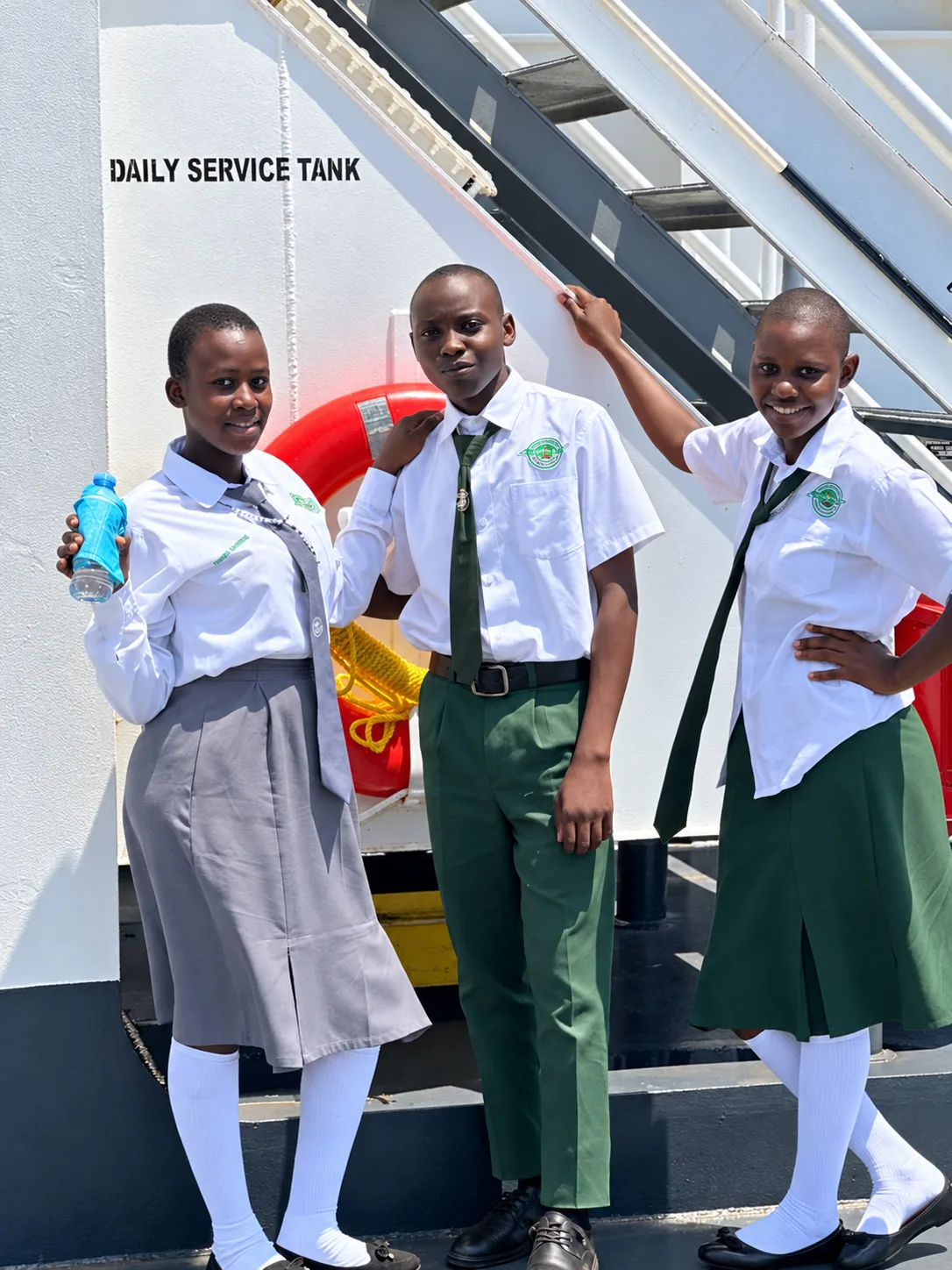
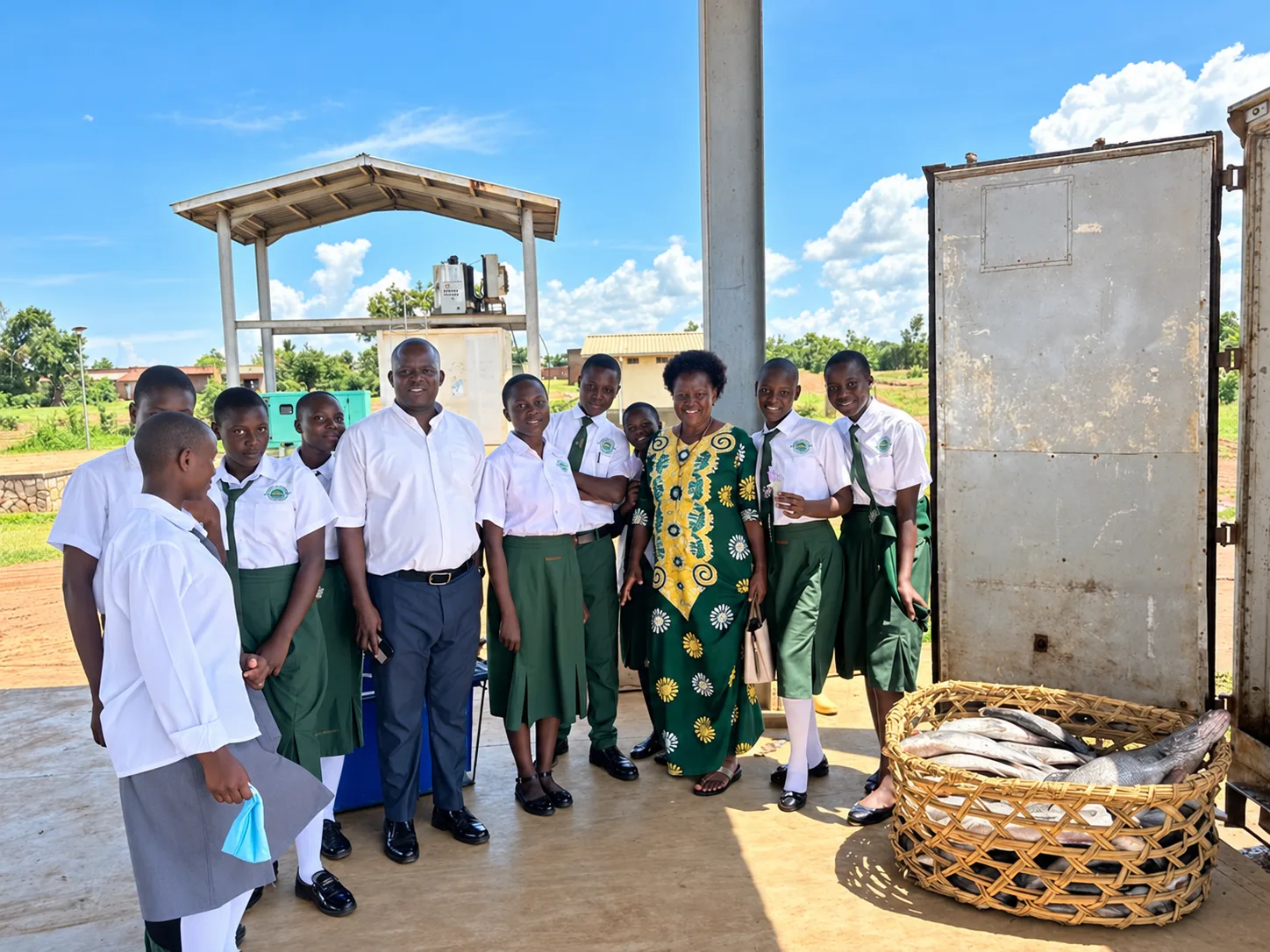
Photographs may show students participating in supervised educational activities, including Green Futures field visits. Students appearing in photographs should not automatically be assumed to be bursary recipients.
Images are published only with appropriate consent from parents or guardians, learners and the relevant institution. IFFE protects the identities and personal circumstances of the learners it supports.
Related stories
[Consented stories to be added]