From prevention to protection, and healthier communities
Each pillar serves the same goal: children safe, healthy and learning, in the care of their own families wherever possible.
Family Strengthening & Child Protection
When a child has a safe parent or relative who is struggling, our normal response is to strengthen that family. Case workers assess the specific risks, agree a time-bound plan with the family, and coordinate the support and statutory services needed to keep the child safe at home.
[Placeholder image: replace before launch]Challenge we address
A child may appear to need removal when the underlying problem is poverty, a health crisis or inadequate support for a willing caregiver. Poverty alone should not separate a child from a safe family.
Who we work with
- Children aged 5 to 17 and their parents or caregivers
- Kinship carers: grandparents, aunts, uncles and other relatives
- Families referred by schools, health workers, local leaders and the district probation office
Activities
- Family assessment and time-bound case plans
- Parenting support and family mediation
- Emergency household stabilisation
- Child-protection referrals and safety planning
- Disability inclusion
- Family tracing and reunification support
Geographic coverage
Iganga District [sub-counties served to be confirmed]
Expected outcomes
- Children remain safely with, or return to, their families
- Protection concerns are assessed and responded to within policy timelines
- Household crises recur less often
Impact indicators
- Protection concerns assessed
- Safety plans completed
- Serious incidents responded to within policy timelines
- Families completing case plans
- Children safely remaining with or returning to family
Related projects: Family Strengthening and Reunification Support, Referral Partner Network, Kinship Carers' Support, Secure Case Management System
Education & Skills
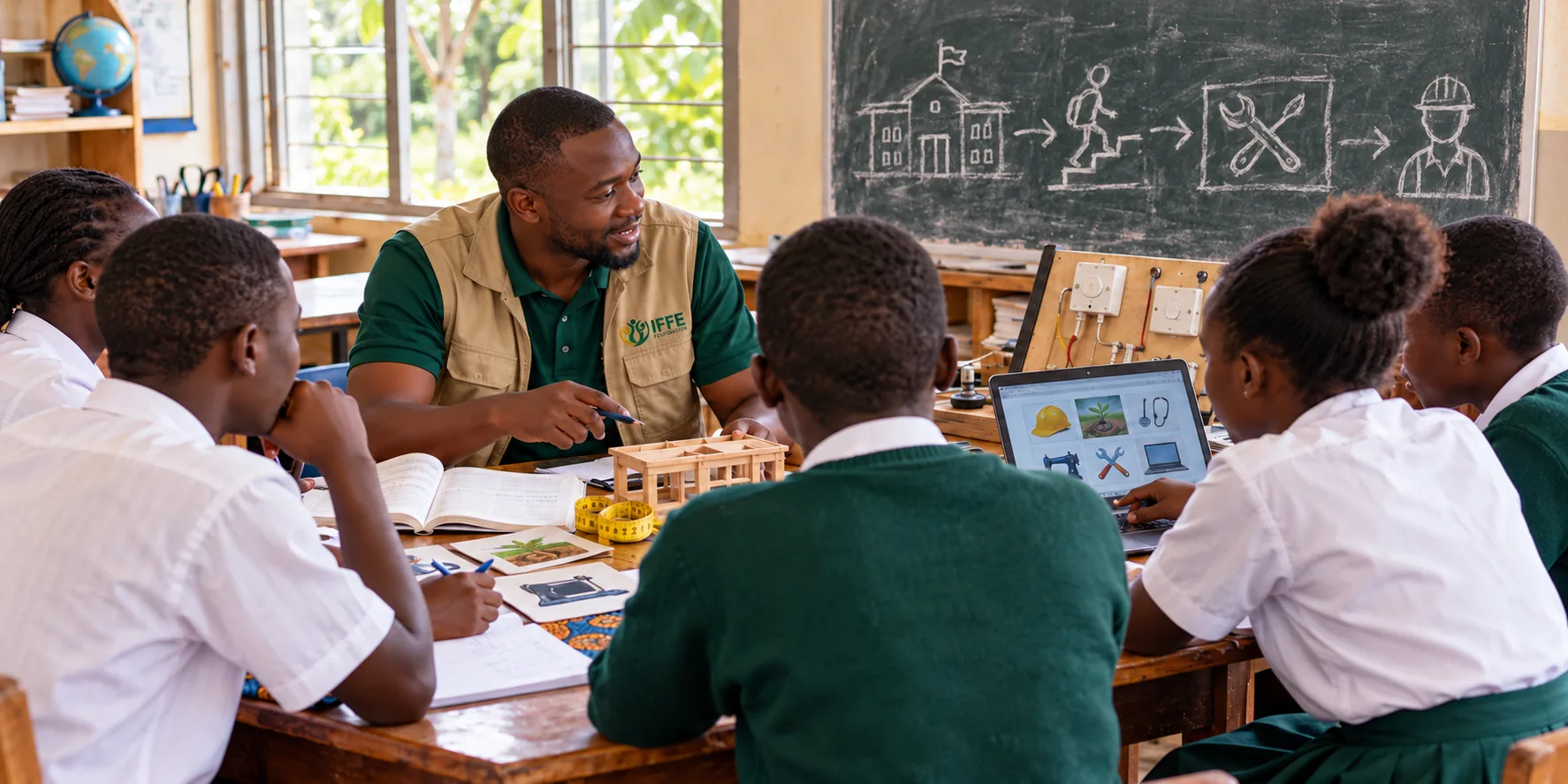
Education support is built into each family's case plan so that learning continues through difficult periods, with mentoring, digital literacy and vocational pathways for older adolescents.
 [Placeholder image: replace before launch]
Challenge we address
Interrupted schooling is one of the first consequences of household hardship, and older adolescents often leave school without a pathway to work or training.
Who we work with
- Children and adolescents in families supported by IFFE Foundation
- Partner schools and training providers
Activities
- School access and retention support
- Learning materials
- Tutoring and mentorship
- Digital literacy
- Vocational pathways
- Transition planning for older adolescents
Geographic coverage
Iganga District [sub-counties served to be confirmed]
Expected outcomes
- Children in supported families stay in school and progress
- Older adolescents move into further learning or vocational training
Impact indicators
- Attendance
- Retention
- Progression
- Learning support completed
- Vocational transitions
Education support is delivered through families and schools. IFFE Foundation does not run individual child sponsorship.
Related projects: Education Without Barriers, School Retention and Transitions
Health & Wellbeing
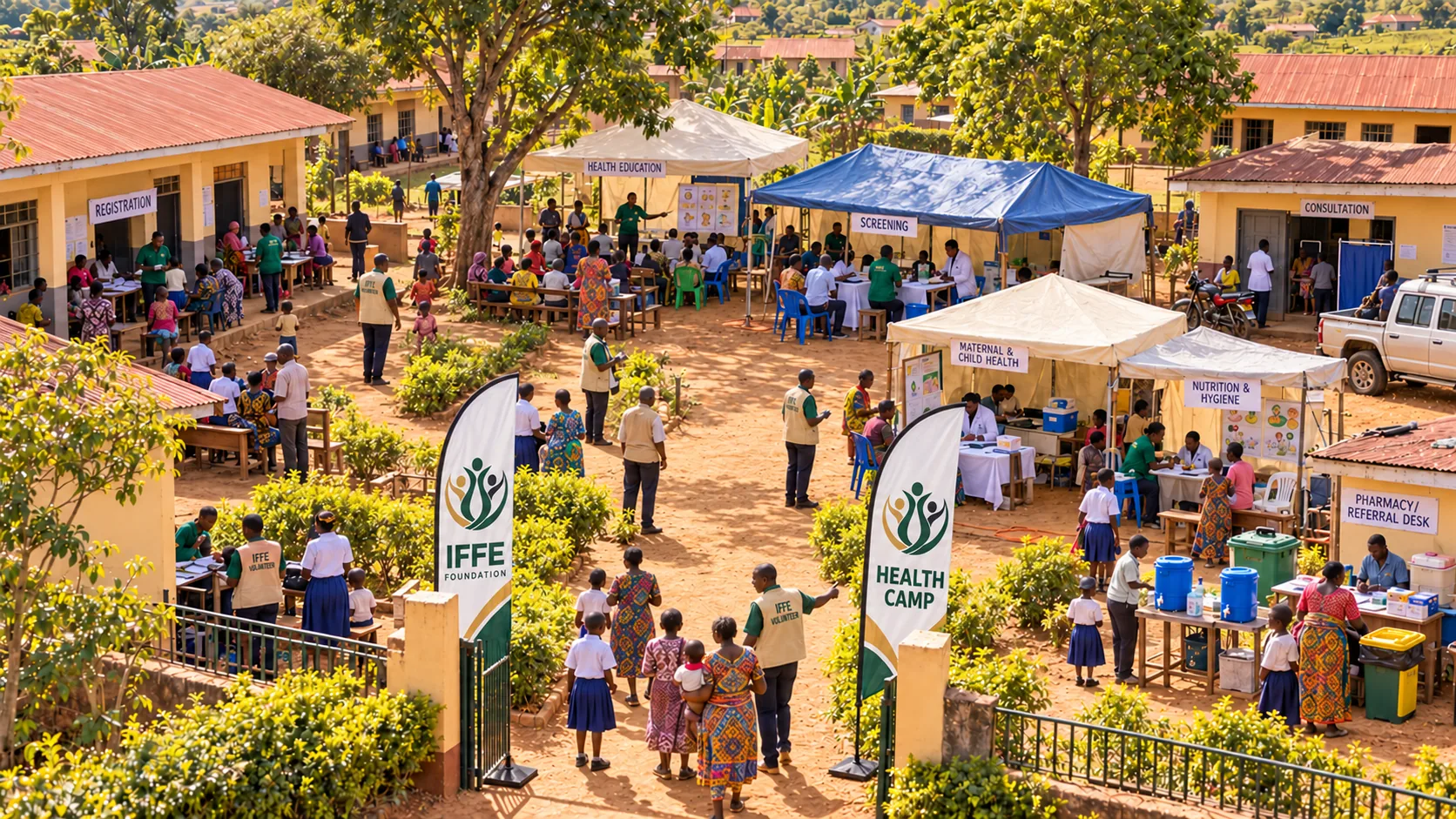
We do not duplicate health services. We make sure children and caregivers reach the qualified providers they need, and follow up until referrals are completed.
 [Placeholder image: replace before launch]
Challenge we address
Illness, disability and poor nutrition place families under pressure and are often the trigger for a wider crisis.
Who we work with
- Children and caregivers in supported families
- Children and adults with disabilities
Activities
- Health screening and referrals
- Nutrition support
- Sanitation
- Psychosocial support
- Disability-responsive services
- Age-appropriate health education, delivered through qualified partners
Geographic coverage
Iganga District [sub-counties served to be confirmed]
Expected outcomes
- Families reach health, nutrition and psychosocial care
- Children with disabilities access responsive services
Impact indicators
- Completed referrals
- Nutrition improvement
- Psychosocial goals met
- Access to disability-responsive services
Related projects: Healthy Families, Stronger Communities
Livelihoods & Household Resilience
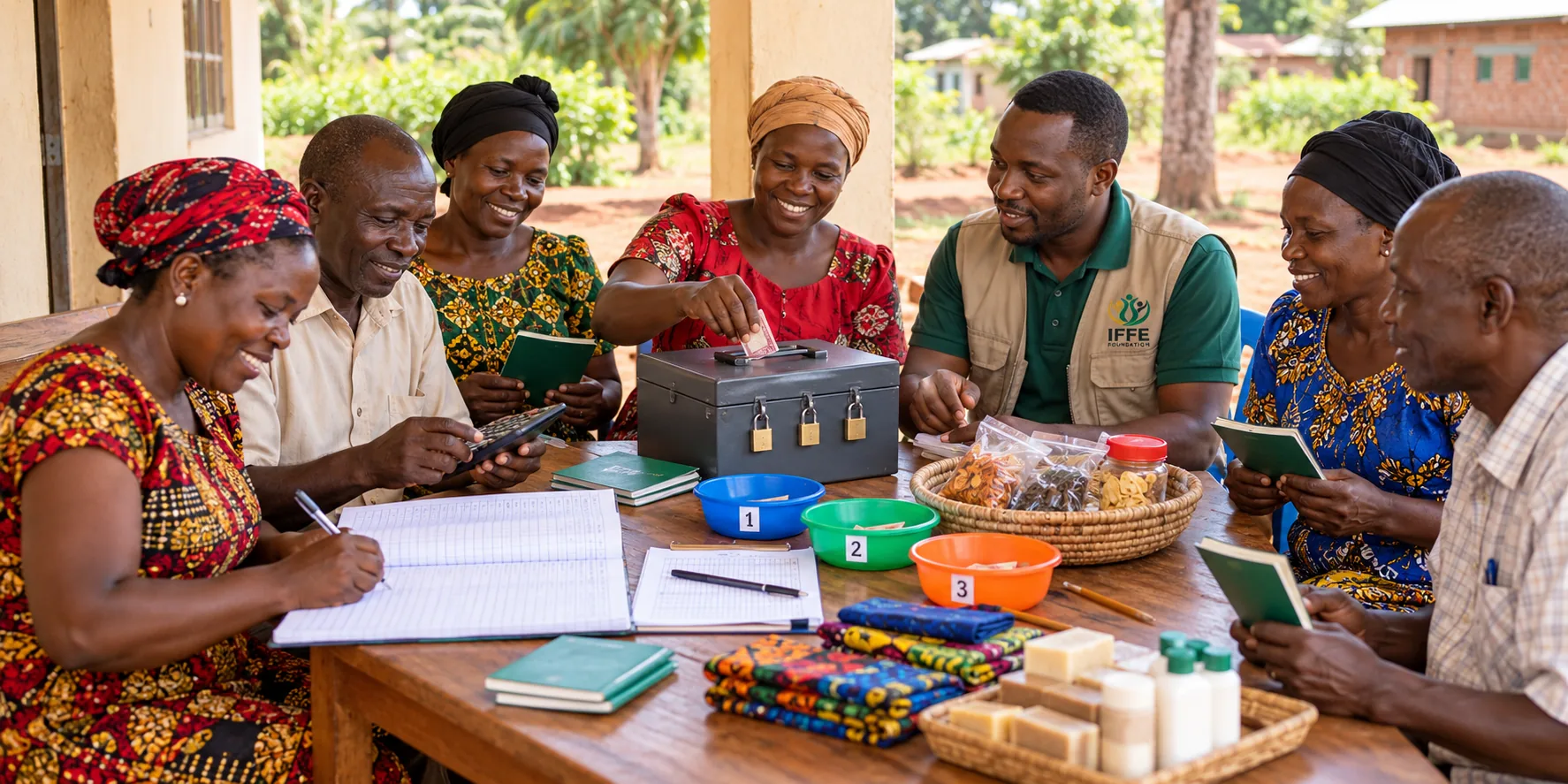
Lasting stability depends on households being able to provide for themselves. Support is time-bound and designed to reduce, not replace, a family's own capacity.
 [Placeholder image: replace before launch]
Challenge we address
Unstable income means a single shock, such as illness or a failed harvest, can push a household into crisis.
Who we work with
- Caregivers in supported families
- Community savings groups
Activities
- Savings groups
- Enterprise development
- Employability
- Agriculture
- Financial capability
- Time-bound household support
Geographic coverage
Iganga District [sub-counties served to be confirmed]
Expected outcomes
- Households build savings and income pathways
- Families rely less on emergency support over time
Impact indicators
- Household income pathways
- Savings participation
- Enterprise survival
- Reduced emergency dependence
Related projects: Household Savings and Enterprise
IFFE Baby Home & Alternative Care
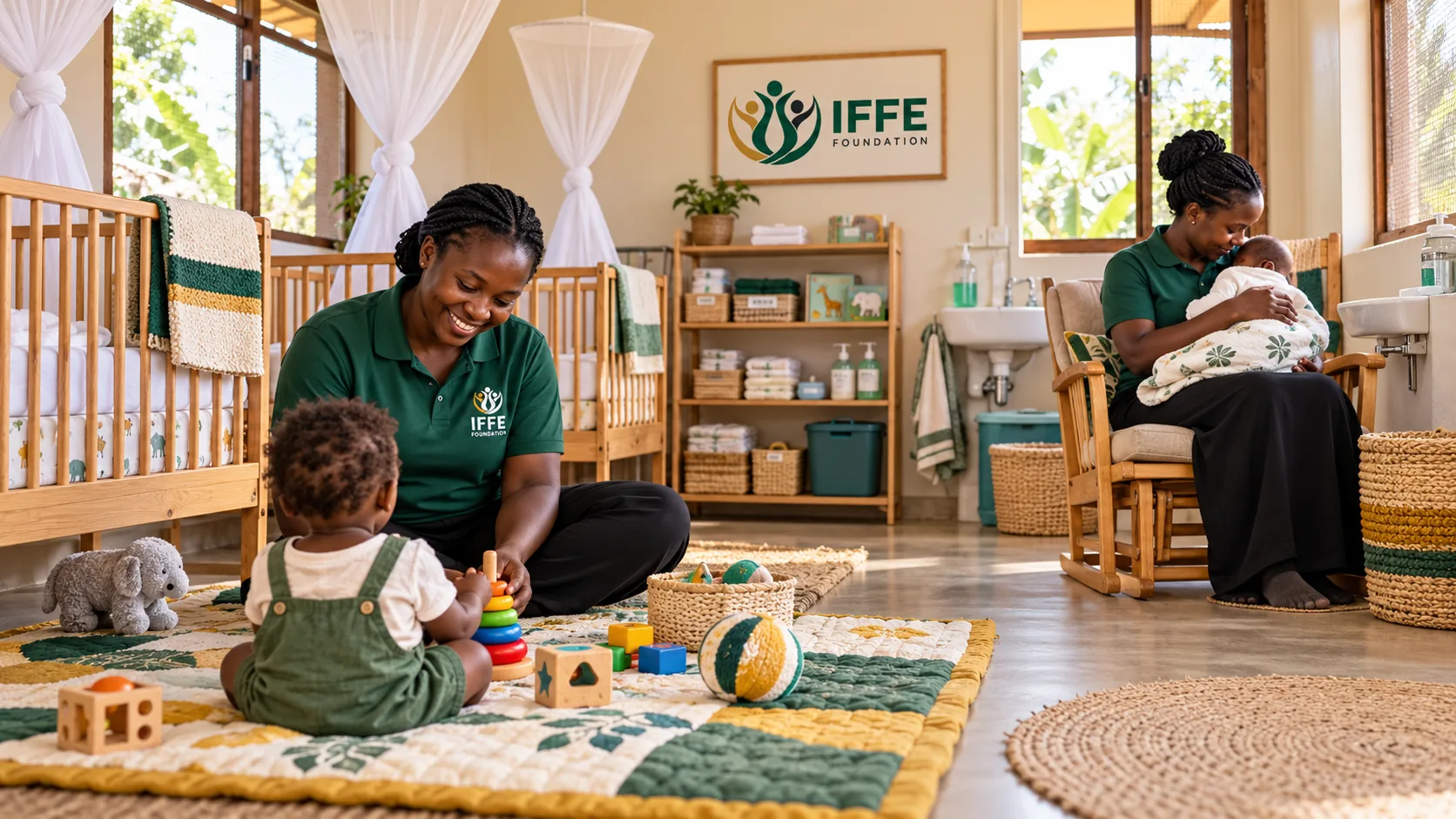
The IFFE Baby Home is approved by the Ministry of Gender, Labour and Social Development and has cared for more than 100 children since 2023. It provides temporary, nurturing care for babies and young children who cannot safely remain with parents or relatives. At least 62% of children in our care are reintegrated with their families within one to two years, and each family is monitored throughout so the child settles and flourishes.
 [Placeholder image: replace before launch]
Challenge we address
Some babies and young children cannot safely stay with their families, even with support. They need safe, loving care now, and a plan that does not let a temporary placement become permanent institutional life.
Who we work with
- Babies and young children admitted through lawful referral and assessment
- Their parents and relatives, supported towards reunification
Activities
- Admission only through lawful referral and assessment
- An individual care plan and family-contact plan for each child
- Health, nutrition and early development care
- Family tracing and reunification work from the first day
- Kinship, foster or other family-based placement where return home is not safe
- Follow-up after a child leaves the home
Geographic coverage
Iganga District. Ministry-approved residential care; district-level location only.
Expected outcomes
- Children are safe, healthy and developing well while in care
- Children return to family or move to a safe family-based placement
- Time in residential care is as short as is safe
Impact indicators
- Children in care with a current care plan and review date
- Children returned to family or placed in family-based care
- Average length of stay
- Post-reintegration monitoring visits completed
- Children still thriving at home at follow-up
Every admission follows lawful referral and placement procedures. We never raise funds around individual children, and we do not publish images or details that could identify a child in our care.
Related projects: IFFE Baby Home
Green Futures
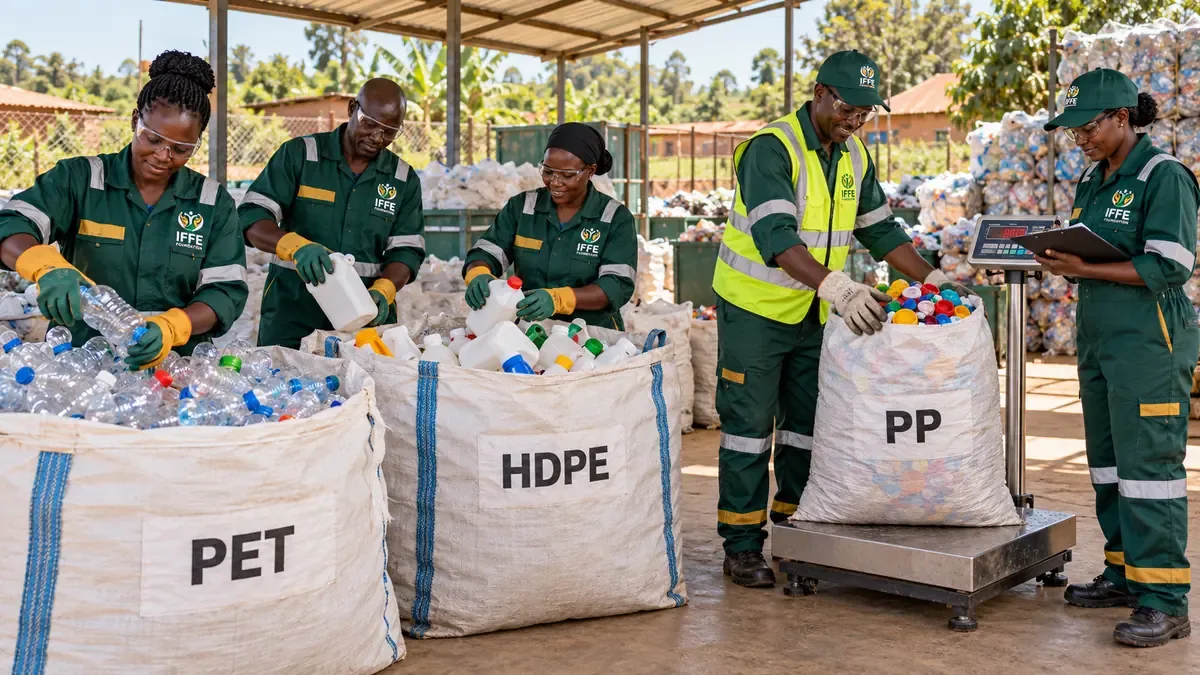
A running environmental programme, active for more than seven months, that teaches households and schools to reduce and separate waste and builds a reliable supply of clean, recovered plastic. Its long-term destination is a community plastics recycling and manufacturing plant in or near Iganga, turning waste into durable products and local jobs. Each step is evidenced before the next begins.
 [Placeholder image: replace before launch]
Challenge we address
Plastic waste is dumped or burned, harming health and blocking drainage, while useful material and potential local jobs are lost.
Who we work with
- Children and adolescents in safe, supervised environmental learning
- Parents, caregivers, waste suppliers and job-seekers
- Schools, neighbourhood groups and community leaders
- Young adults needing technical, green or enterprise skills
Activities
- Learn: eco-clubs, demonstrations, household guidance and community awareness
- Recover: source separation, safe aggregation and reliable feedstock partnerships
- Manufacture: test and produce durable recycled-plastic products, after feasibility and approvals
- Employ: technical skills, fair jobs, supplier income and responsible enterprise
- Community clean-ups with protective equipment and adult supervision
Geographic coverage
Iganga [schools and neighbourhoods currently served]
Expected outcomes
- Better waste-separation habits and cleaner shared spaces
- A measured, traceable supply of suitable plastic
- Prototypes validated with customers
- Safe adult jobs and supplier income once the plant operates
Impact indicators
- Households, students and adults reached
- Tonnes of plastic by type sourced, rejected and traceably transferred
- Clean-ups completed and sites maintained after three months
- Prototype and production units passing quality checks
- Adults trained, jobs created, supplier income, worker safety
- Sales, margin and production cost (plant stage)
Children take part only in supervised learning, gardening, art with clean materials and awareness activities; they never collect, sort, lift, transport or operate machinery, and are never used as promotional props. The manufacturing plant is a long-term target: it is not yet approved, built, operational or certified, and no product performance is claimed until testing and UNBS certification are complete.
Related projects: Green Futures: Collection and Evidence, Community Plastics Recycling and Manufacturing Plant
Cross-cutting functions
Safeguarding
Prevent harm, respond to concerns and maintain safe conduct across all activities.
Case management
Coordinate assessments, plans, referrals, reviews and documented outcomes.
Partnerships
Use specialist providers and public systems instead of duplicating every service.
Monitoring and learning
Measure results, identify risk and improve programme design.
Advocacy
Promote family-based care, inclusion and access to essential services.